
Last Updated on: 22nd January 2024, 07:18 pm


J Highland
J Highland is a certified sommelier with 30 years in the liquor industry, owning a pub, a liquor store, and moonlighting as an agave spirits distiller.
Dispelling the Myths on Blanco Tequila’s Health Benefits
Written by: J Highland


When choosing a healthier alcoholic beverage, many often reach for a glass of Blanco Tequila.
This clear, unaged variant of Tequila is praised for its pure, untouched essence.
However, how healthy is Blanco Tequila, especially compared to its aged counterparts – Reposado, Añejo, and Extra Añejo?
Let’s delve into the world of Tequila to uncover the truth.
Drinking Blanco Tequila Does Not Represent a Healthier Alternative Over Other Types of Tequila
“When done correctly, without additives, all Tequilas are crafted equally with the same ingredients; hence, Blanco Tequila does not represent a healthier alternative,” states Tequila expert Neil Coleman.
However, the introduction of additives into the equation muddies the waters.
All Tequilas, including Blanco, are subject to the addition of additives.
Among the spectrum of Tequilas, Blanco often contains fewer additives compared to its aged counterparts like Reposado, Añejo, or Extra Añejo.
This is primarily due to its lack of artificial colorants, where some additional additives come into play in other types of Tequila.
Aged Tequilas may include coloring agents, sweeteners, and sometimes flavor enhancers to either mask bitterness or add a smoother texture, aiming to achieve a particular taste and appearance.
Although primarily derived from the interaction with oak barrels, the color in aged Tequilas can be intensified or standardized with caramel coloring.
Conversely, unaged and straightforward Blanco does not require or include these coloring agents.
In scenarios where infused Tequilas are the options, Blanco stands as a better alternative due to its generally lower additive content.
This potentially places Blanco as a slightly healthier choice when additives are of concern.
Yet, it’s vital to note that the permitted 4% additive content could still play a part in Blanco, significantly altering its taste and body.
While the absence of certain additives might set Blanco a notch higher than other Tequilas, the difference might not be substantial enough to deem it significantly healthier.
The core concern remains around the addition of additives, a common practice that, unfortunately, spans across all types of Tequila.
The Core Ingredients

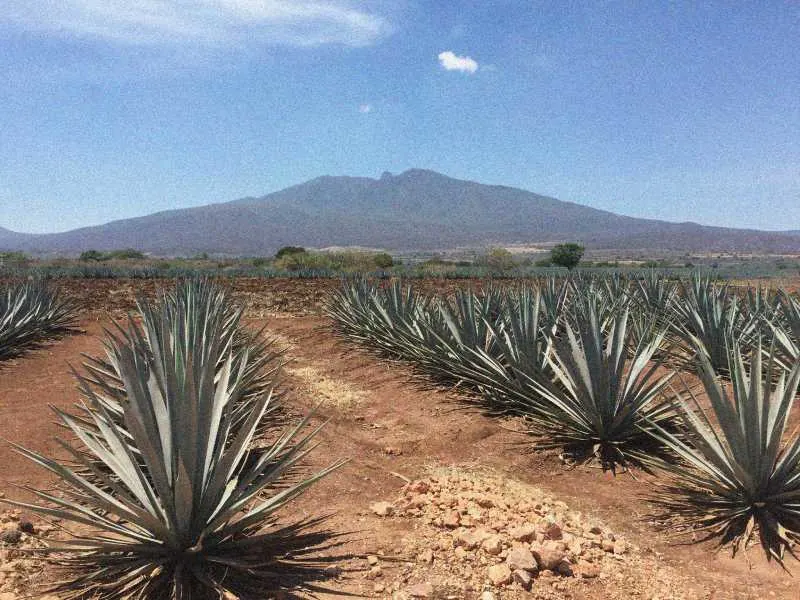
Contrary to popular belief, all types of Tequila, including Blanco, Reposado, Añejo, and Extra Añejo, are crafted from the same core ingredients – agave, water, and natural yeasts.
These types’ distinct color and flavor variations arise from their contact with oak during the aging process, not from different ingredients.
The Risks Outweigh the Benefits


Although there are some purported benefits related to drinking Blanco Tequila, the risks associated with alcohol consumption largely outweigh the benefits.
The potential cardiovascular benefits or the social camaraderie that accompanies a glass of Tequila, are overshadowed by a host of risks including liver damage, addiction, and a possible increase in certain types of cancer among others.
In my opinion, I would not recommend drinking Tequila every day, but rather reserve it for special occasions, and enjoy it with friends and loved ones.
Many people wrongly use it as a means to relax; initially, a shot might suffice, but as tolerance builds, one might find themselves needing more to achieve the same effect.
Before they know it, they are drinking more than necessary, which, truthfully, should be zero as we can live perfectly without alcohol.
This advice might seem odd coming from a site that promotes Tequila, but having witnessed the devastating impacts of excessive alcohol consumption on individuals’ lives, I find it crucial to address it.
Drinking alcohol is akin to a lottery; if you lose, you could end up in a dire situation.
If you are concerned about the health risks associated with alcohol consumption, it is essential to talk to your doctor.
He can help you assess your risk and make informed decisions about your alcohol consumption.
In Summary
Good Blanco Tequila might be a relatively healthier choice compared to other types of Tequila when additives are involved.
However, when free of additives, there’s no inherent benefit to choosing Blanco over other types.
If health is a genuine concern, my recommendation is to either avoid alcohol or enjoy it sparingly and in the company of good people.
Remember, an informed decision is always the best decision when it comes to enjoying spirits like Tequila.